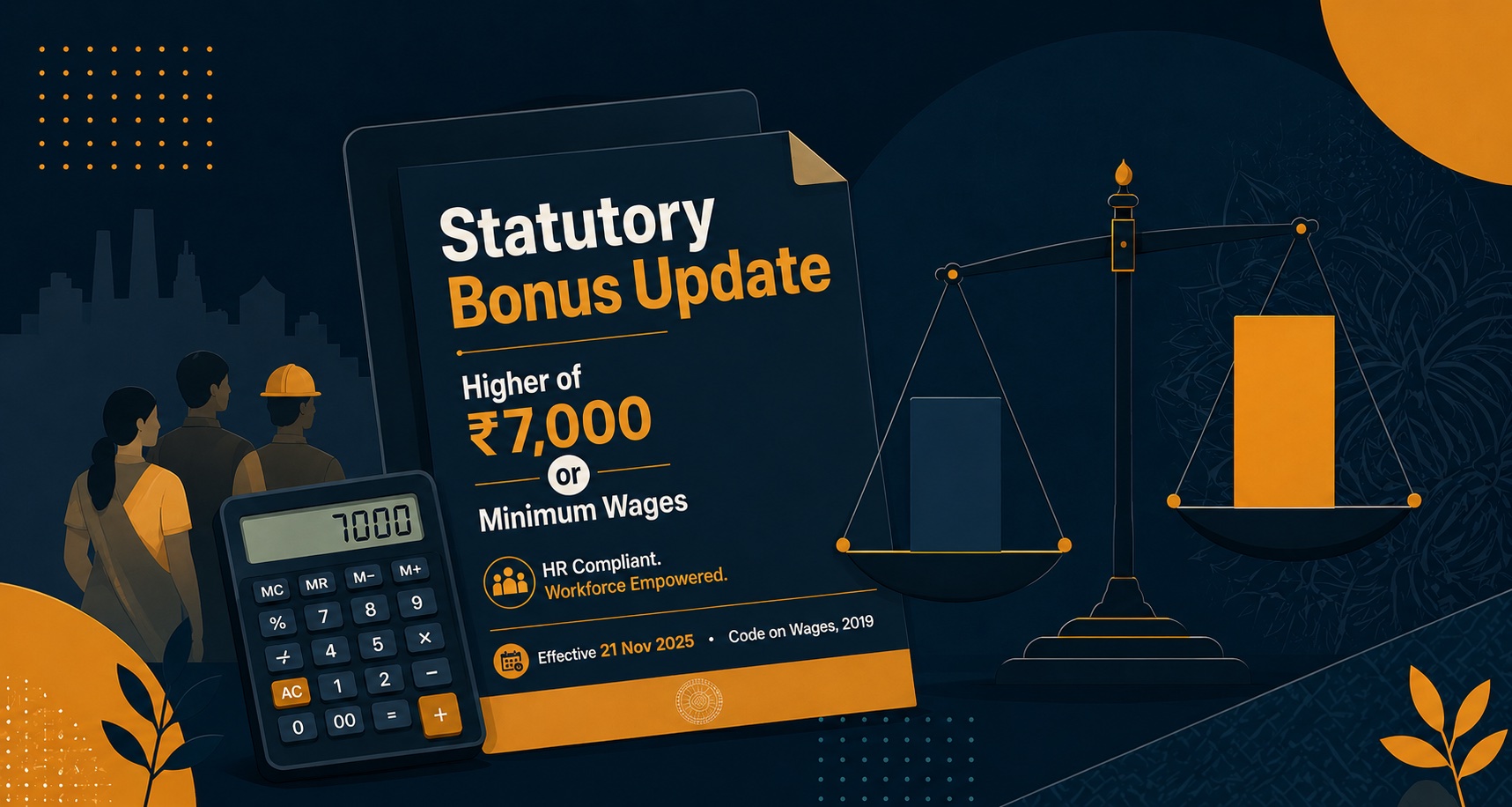


India's New Labour Codes: What Foreign Employers Need to Know
Four codes are consolidating dozens of older laws. Here's what's changing for wages, social security and working conditions — and what it means for your team.

India has been consolidating a large body of central labour legislation into four broad codes. For foreign employers, the detail matters less than the direction: simpler, more uniform rules — implemented in stages, with meaningful variation by state.
The four codes
- Code on Wages — a single, consistent definition of "wages", minimum wages and timely payment.
- Industrial Relations Code — employment conditions, standing orders and dispute resolution.
- Social Security Code — Provident Fund, ESI, gratuity and extended coverage, including for gig and platform workers.
- Occupational Safety, Health & Working Conditions Code — workplace standards and conditions.
What tends to change for employers
A common thread is the standardised definition of wages. Because statutory contributions are calculated on wages, a uniform definition can shift how PF, gratuity and related costs are computed — which in turn affects salary structuring and take-home. The codes also broaden social security coverage and aim to streamline registrations and filings.
Timing and state rules
The codes were brought into force in November 2025, with central rules notified in 2026 — but states issue their own rules under each code, and several are still finalising theirs. That means the practical impact can differ depending on where your employees sit. Treat any specific rate or threshold as something to confirm against the current, state-applicable position.
What it means if you hire through an EOR
This is exactly the kind of shifting, state-specific complexity an Employer of Record is built to absorb. Your contracts, payroll and contributions stay aligned with the current rules as they roll out — so your team stays compliant without you tracking every notification.
This article is general information, not legal advice. For decisions that turn on a specific rule, confirm the current position for the relevant state.